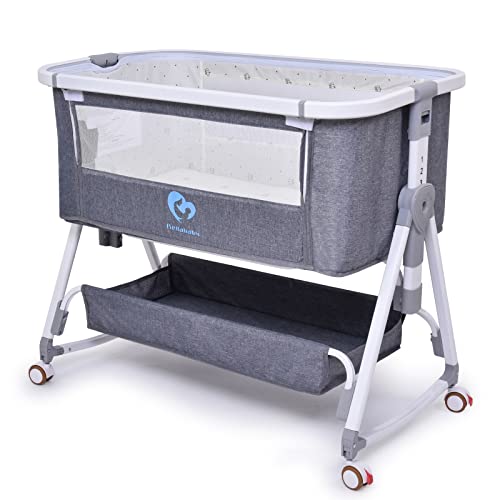
Bedside Co Sleeping Crib Tips From The Most Successful In The Industry


The Benefits and Considerations of Bedside Co-Sleeping Cribs
As parents browse the early months of their child's life, making sure a safe and comfortable sleeping plan is frequently at the forefront of their minds. Among Info , bedside co-sleeping cribs have gained popularity for their fundamental blend of ease of access and security. This post looks into what bedside co-sleeping cribs are, their benefits, considerations for picking one, and answers to regularly asked questions.
What Is a Bedside Co-Sleeping Crib?
A bedside co-sleeping crib is a sleeping space developed to be attached to an adult bed, providing a proper and safe environment for infants. These cribs frequently include adjustable heights and protected accessories that allow parents to quickly reach their sleeping baby while also ensuring that the baby has their independent sleeping space.
Given the growing conversation around the benefits and dangers of co-sleeping, these specially designed cribs intend to strike a balance in between keeping the baby close for comfort and guaranteeing their safety.
Advantages of Bedside Co-Sleeping Cribs
Increased Convenience
- Bedside co-sleeping cribs allow parents to be close to their baby throughout the night. This distance is especially beneficial for breastfeeding moms, who can feed and comfort their kid without leaving their bed.
Security Features
- Many co-sleeping cribs come equipped with functions such as secure accessories, breathable mesh sides, and sturdy frames. These security aspects assist to avoid unintentional suffocation or rolling over onto the baby.
Promotes Bonding
- The nearness of a co-sleeping arrangement may promote a more powerful emotional bond between parent and child, enhancing feelings of security and convenience for both parties.
Reduce of Monitoring
- Parents can easily monitor their infant during sleep, causing lowered anxiety and providing assurance.
Encourages Healthy Sleep Habits
- Research study recommends that co-sleeping can motivate babies to establish self-soothing abilities, leading to enhanced sleep patterns gradually.
| Benefits | Details |
|---|---|
| Increased Convenience | Easy access for feeding and comfort during the night |
| Safety Features | Sturdy accessories and breathable products |
| Promotes Bonding | Nearness improves psychological connection |
| Alleviate of Monitoring | Parents can keep a watchful eye on their baby |
| Motivates Healthy Sleep Habits | Assists infants discover to self-soothe |
Considerations When Choosing a Bedside Co-Sleeping Crib
When selecting a bedside co-sleeping crib, parents need to keep in mind a number of aspects:
Safety Standards
- Guarantee that the crib satisfies present security standards set by regulatory bodies. Search for certifications and security rankings.
Size and Adjustability
- Consider the size of the crib and whether it can get used to the height of your bed. An ideal crib should fit snugly versus the adult bed.
Alleviate of Use
- Analyze functions such as removable sides, collapsible frames, and ease of assembly and disassembly.
Material Quality
- Purchase cribs made from non-toxic, top quality products that promote resilience and security for long-lasting use.
Aesthetic Compatibility
- While performance is essential, it's also important that the crib matches the bedroom decor.
Leading Bedside Co-Sleeping Cribs in 2023
| Crib Model | Features | Cost Range |
|---|---|---|
| Chicco Next2Me | Adjustable height, breathable mesh sides, easy folding | ₤ 200 - ₤ 300 |
| Baby Delight Snuggle Nest | Removable side, portable, includes a nightlight | ₤ 150 - ₤ 250 |
| HALO Bassinest | Rotates 360 degrees, adjustable, includes soothing noises | ₤ 250 - ₤ 400 |
| Lully Sleep Nest | Convertible design, removable mattress, environmentally friendly materials | ₤ 180 - ₤ 280 |
FAQs About Bedside Co-Sleeping Cribs
Q1: At what age is it safe to use a bedside co-sleeping crib?A: Bedside co-sleeping cribs are generally safe for infants from birth until they can pull themselves up, which is typically around 6 months of age. Constantly speak with your pediatrician for customized guidance.
Q2: Are bedside co-sleeping cribs much better than standard cribs?A: This can depend on personal preference and lifestyle. Bedside co-sleeping cribs supply instant accessibility while keeping a different sleep space for the infant. Conventional cribs, while also safe, require parents to get up to take care of the baby.
Q3: Can I use bedding in a bedside co-sleeping crib?A: It is typically advised to keep bed linen minimal. A fitted crib sheet is adequate to prevent suffocation threats. Bonus blankets, pillows, and toys must be prevented.
Q4: Do I need to discover unique bed linen for a co-sleeping crib?A: Most co-sleeping cribs use standard crib-sized bed mattress, so finding bed linen should not be a difficulty. Constantly confirm specifications before acquiring.
Q5: Can a bedside crib prevent SIDS?A: While bedside co-sleeping cribs are designed to improve safety, they do not guarantee protection against Sudden Infant Death Syndrome (SIDS). To reduce SIDS threats, follow safe sleep standards: place the baby on their back, make sure a company bed mattress, and prevent sleep on soft surface areas.
Bedside co-sleeping cribs act as a functional compromise in between co-sleeping and making sure an infant's safety. They offer unequaled benefit while maintaining the integrity of independent sleep. Nevertheless, potential buyers should carefully consider their alternatives based upon security, size, and use requirements. As constantly, parents are encouraged to talk to doctor when making choices about their kid's sleeping arrangements.
In conclusion, a bedside co-sleeping crib could be an important addition to any parenting journey, mixing security with distance to create a nurturing sleep environment.