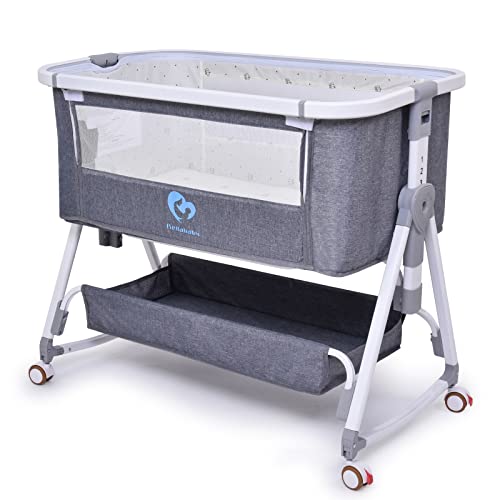
20 Questions You Should ASK ABOUT Side Sleeping Crib Before Buying It


The Side Sleeping Crib: A Comprehensive Guide for New Parents
Inviting a newborn into the world is a treasured experience filled with joy and obstacles. Amongst the lots of considerations new parents need to browse, selecting the right sleeping arrangement for their baby is critical. One ingenious service that has actually acquired appeal recently is the side sleeping crib. This short article will look into the functions, benefits, and factors to consider surrounding side sleeping cribs, supplying an indispensable resource for new parents.
What is a Side Sleeping Crib?
A side sleeping crib, likewise known as a co-sleeper or bedside crib, is developed to supply a safe sleeping space for infants while keeping close distance to their parents. These cribs can be connected to the side of an adult bed or utilized as standalone units. They offer the convenience of co-sleeping without sharing the same sleep surface, reducing the threat of suffocation and helping with simpler nighttime feedings and comforting.
Advantages of a Side Sleeping Crib
- Increased Safety
One of the main advantages of side sleeping cribs is enhanced security. The American Academy of Pediatrics recommends that infants sleep in the very same room as their parents for at least the first six months to minimize the danger of Sudden Infant Death Syndrome (SIDS). By utilizing a side sleeping crib, parents can keep their baby within arm's reach while adhering to safety guidelines. - Convenient Nighttime Feeding
Nighttime feedings can be a difficult routine for new parents, however a side sleeping crib makes this process substantially much easier. Parents can merely reach over to comfort or breastfeed their baby without needing to totally awake or get out of bed. - Relieves the Transition to Independence
Side sleeping cribs can assist in slowly transitioning babies into independent sleep environments. Parents can move the crib even more far from their bed gradually, fostering independence while still keeping a complacency for the child. - Conserves Space
For households living in smaller homes or homes, a side sleeping crib occupies less space than a traditional crib, making it an ideal choice for those with restricted room. - Promotes Bonding
Close distance allows parents to easily keep track of and respond to their baby's requirements, cultivating bonding and attachment throughout those crucial early months.
Choosing the Right Side Sleeping Crib
When picking a side sleeping crib, a number of factors should be thought about to ensure it fits the needs of both the baby and the parents:
- Safety Standards: Ensure that the crib meets safety standards set by respectable companies, such as the Consumer Product Safety Commission (CPSC).
- Adjustability: Look for cribs with adjustable heights to align with the parents' bed and guarantee easy access.
- Stability: A good side sleeping crib must be steady without wobbling or sliding when connected to the parent's bed.
- Portability: Consider cribs that are light-weight and have wheels for easy motion around your house.
- Material: Opt for cribs made from non-toxic products that are totally free from hazardous chemicals.
Aspects to Consider
While side sleeping cribs present numerous benefits, parents need to also keep these consider mind to make an informed decision:
- Size of the Bed: Ensure the crib fits safely along with the adult bed, without spaces that might posture a security danger.
- Baby's Growth: Be aware that as infants grow, their sleeping requirements will alter. Some cribs are convertible and can be utilized longer than traditional cribs.
- Sleeping Habits: Consider how quickly you and your partner adapt to having the baby close by during the night.
FAQs About Side Sleeping Cribs
Q1: Are side sleeping cribs safe for newborns?A1: Yes, side
sleeping cribs supply a safe sleeping environment for newborns when utilized correctly, as they decrease the risk of SIDS while permitting parents to remain close.
Q2: How do I put together a side sleeping crib?A2: Assembly guidelines normally accompany the crib. Ensure it is safely attached to the adult bed, following the guidelines supplied by the maker. Q3: Can I use a side sleeping crib
for longer than 6 months?A3: Yes, lots of side sleeping cribs can accommodate infants beyond
six months, depending upon their growth and development. Examine the producer's specifications for weight and height limitations. Q4: What if my baby rolls over?A4: Most side sleeping cribs are developed with safety features
to avoid babies from rolling out.
However, always monitor your baby and seek advice from pediatric standards about the best time to transition them to a crib. The side sleeping crib is a versatile and useful sleeping option for new parents.
It offers security, convenience, and assistance during the early phases of parenthood while promoting closeness between moms and dad and kid. By considering Co-Sleeper Crib , adjustability, and private family needs, parents can make an informed choice about this crucial piece of baby equipment. Table: Pros and Cons of Side Sleeping Cribs Pros Cons Improved safety throughout sleep Restricted use period as baby grows
Ease of nighttime feeding May require extra space Promotes bondingModificationperiod forparents and baby Saves physical space Potential for unpredictable sleeping patterns Aswith any parenting decision, whatworks best will constantly depend on individual family characteristics. Stressing safety,comfort, and connection will assist parents pickthe ideal sleeping arrangements for their youngsters to ensure a good start to
life.